Embarking on thrilling hiking and mountaineering adventures allows us to immerse ourselves in nature’s grandeur. However, it is crucial to prioritize responsible outdoor ethics and leave no trace of our presence. In this blog post, we will delve into the significance of Leave No Trace, providing practical tips for mountaineers and hikers to practice it effectively.
By incorporating these principles into our journeys, we can preserve delicate ecosystems, conserve natural resources, and ensure future generations can savor the beauty of the great outdoors.
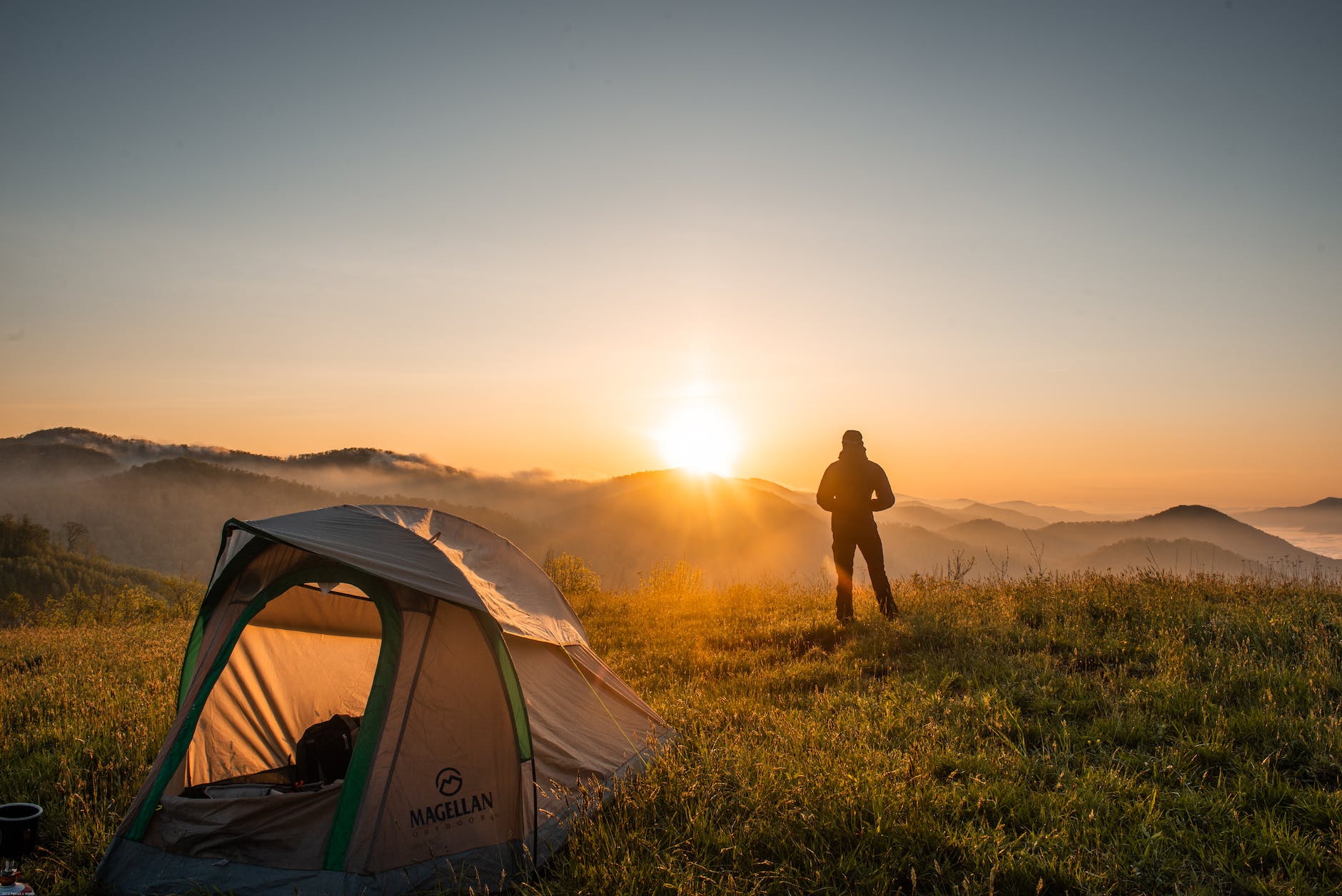
Understanding the Significance of Leave No Trace
Leave No Trace is an essential philosophy that minimizes our impact on the environment during outdoor activities. Let’s explore why this ethos holds such significance:
- Preservation of Ecosystems: Leaving no trace safeguards the fragile flora and fauna that inhabit these habitats, ensuring their undisturbed growth and survival.
- Conservation of Natural Resources: Responsible resource usage, such as water and firewood, guarantees their availability for future adventurers. Minimizing impact prevents the depletion of vital resources and helps maintain ecological balance.
- Cultural and Historical Preservation: Many outdoor areas hold cultural and historical value. By leaving no trace, we respect the heritage of indigenous communities and preserve the narratives etched in these landscapes.
- Aesthetics and Enjoyment: Preserving unspoiled vistas allows subsequent visitors to experience the breathtaking beauty devoid of earlier expeditions’ remnants.
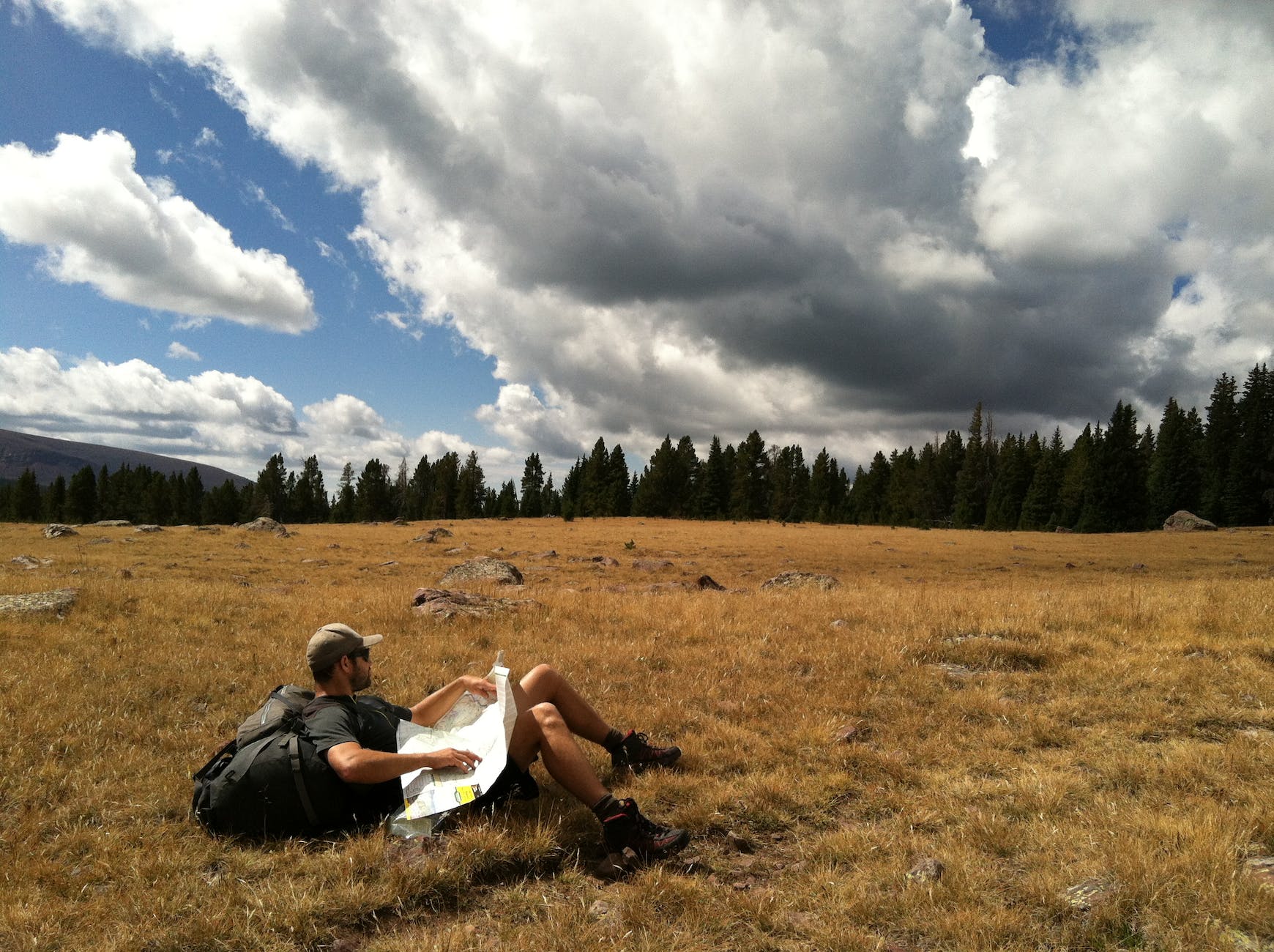
Principles for Practicing Leave No Trace
Leave No Trace is guided by seven core principles that promote responsible outdoor practices. Here’s how mountaineers and hikers can integrate these principles into their excursions to minimize environmental impact:
- Plan Ahead and Prepare: Thoroughly research the area, weather conditions, and regulations before venturing out. Proper planning ensures preparedness, reducing the need for last-minute decisions that may harm the environment.
- Travel and Camp on Durable Surfaces: Stick to established trails and campsites to avoid damaging fragile ecosystems, such as vegetation and soil.
- Dispose of Waste Properly: Pack out all trash and waste, leaving no litter behind. Practice Leave No Trace ethics by carrying out even biodegradable items like fruit peels, as they take longer to decompose in high-altitude environments.
- Leave What You Find: Respect nature by refraining from taking natural souvenirs. Preserve rocks, plants, and historical artifacts, allowing them to remain part of the ecosystem for others to appreciate.
- Minimize Campfire Impacts: Utilize established fire rings or designated fire areas, if permitted. Opt for small, controlled fires and burn only small sticks to minimize wood consumption. Always extinguish fires completely and follow any fire restrictions in place.
- Respect Wildlife: Observe wildlife from a safe distance, avoiding feeding or approaching them. Give animals the space they need to thrive naturally, undisturbed.
- Be Considerate of Other Visitors: Show respect and courtesy to fellow hikers and mountaineers. Yield the right of way, maintain low noise levels, and allow others to relish the serenity of nature.

Best Practices for Practicing Leave No Trace
Implementing Leave No Trace requires proactive measures during outdoor adventures. Follow these practical tips to ensure minimal impact:
- Pack Light: Minimize gear and carry only essential items. Lighter packs reduce environmental impact and help stay on designated trails.
- Use Biodegradable Products: Opt for biodegradable soaps and detergents to minimize water contamination while cleaning utensils and clothes. Choose eco-friendly products for waste disposal or washing, avoiding harm to the environment.
- Stay on Designated Trails: Venturing off marked trails can cause erosion and damage fragile vegetation. Stick to established paths to preserve the surrounding environment’s integrity.
- Proper Waste Disposal: Carry a trash bag and pack out all garbage, including food wrappers, toilet paper, and hygiene products. Seal and store waste securely to prevent animal access.
- Leave No Trace of Camping: When breaking camp, restore the area to its original state. Check for any litter or personal items left behind.
- Respect Water Sources: Keep water bodies pristine by using biodegradable soap at least 200 feet away from lakes, streams, or rivers. Collect water responsibly and avoid contaminating sources with food waste or pollutants.
- Practice Leave No Trace Photography: Capture nature’s beauty without disturbing it. Refrain from trampling vegetation or altering landscapes for the perfect shot.
- Educate Others: Share knowledge and experiences with fellow adventurers, promoting the importance of No Trace Left Behind. Encourage others to embrace these principles for sustainable outdoor exploration.
Leave No Trace encompasses essential principles for responsible and sustainable hiking and mountaineering. By adhering to these guidelines, we can contribute to preserving delicate ecosystems, conserving natural resources, and protecting the allure of our natural landscapes. From thorough planning to proper waste disposal, integrating Leave No Trace practices into our adventures allows us to cherish nature while minimizing our environmental impact. Let us embrace our role as stewards of the environment, ensuring a legacy of pristine wilderness for generations to come.


 The Alpine Trailhead
Leave a comment