Welcome to the exciting world of hiking and mountaineering! Whether you’re looking to explore the great outdoors, challenge yourself physically, or embark on epic adventures, this beginner’s guide will help you take the first steps toward becoming a confident mountaineer. In this comprehensive article, we’ll outline five essential steps to get started safely and optimize your hiking and mountaineering journey.
Step 1: Master Basic Outdoor Skills
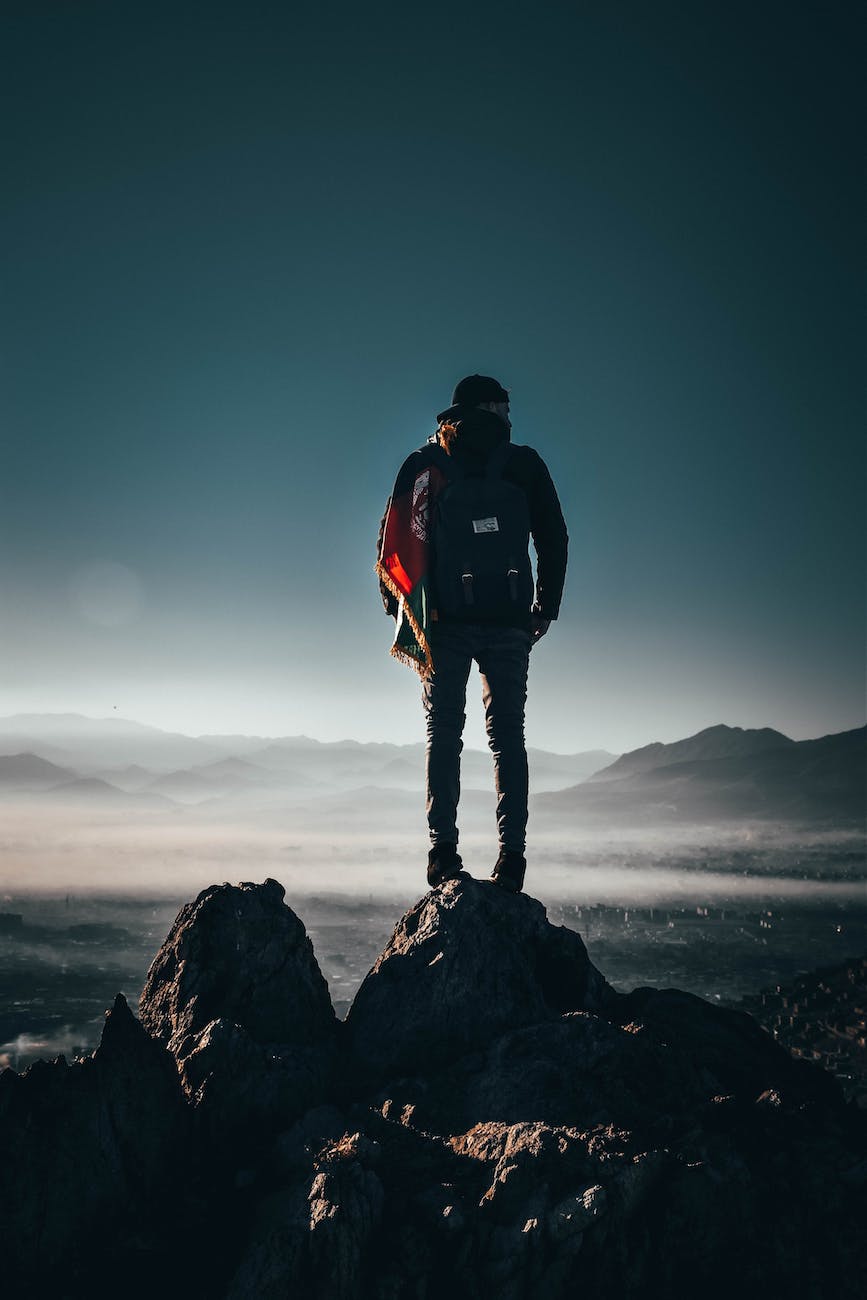
Before venturing into the mountains, it’s crucial to develop a solid foundation of basic outdoor skills. Start by familiarizing yourself with hiking, camping, navigation, and understanding mountain weather patterns. Consider joining outdoor clubs, taking courses, or hiring experienced guides to accelerate your learning process. Learn how to use a map and compass, identify potential hazards, and plan routes based on weather conditions.
Additionally, understanding the principles of Leave No Trace is essential. Leave nature as you found it, respecting the environment and wildlife. Carry appropriate gear, including a first aid kit, emergency shelter, and sufficient food and water supplies. As you gain experience, practice setting up a camp, starting a fire, and cooking outdoors. These skills will enhance your safety and overall experience in the mountains. Learn more about the seven No Trace Left Behind principles and philosophy, here.

Step 2: Focus on Physical Conditioning
Physical fitness plays a vital role in hiking and mountaineering. To prepare your body for the demands of these activities, engage in regular physical conditioning. Incorporate cardiovascular exercises such as walking, running, cycling or swimming to improve your endurance. Strength training exercises, particularly those targeting your legs, core, and upper back, will enhance your overall strength and stability on the trails.
Flexibility is also essential to prevent injuries and improve your agility. Include stretching exercises and yoga sessions in your routine (Click here for our guide on how). Gradually increase the intensity and duration of your workouts to build endurance and stamina. A balanced training plan should encompass both cardiovascular exercise and strength training, with rest days for recovery.

Step 3: Begin with Day Hikes
As a beginner, it’s wise to start your hiking journey with day hikes. These shorter excursions allow you to acclimate to the demands of the trail while building your endurance and confidence. Research nearby trails suitable for beginners and gradually increase the distance and elevation gain over time.
Before embarking on a day hike, ensure you have the necessary gear: comfortable hiking boots, moisture-wicking clothing, a daypack with essentials like water, snacks, a headlamp, and a rain jacket. Familiarize yourself with trail etiquette, stay on marked paths, and heed any warnings or closures.
During your day hikes, take the time to appreciate the surrounding nature and observe any wildlife you encounter. Stay hydrated, pace yourself, and listen to your body. Remember, hiking is not a race but an opportunity to connect with nature, so enjoy the journey. Find the best local hikes in your are, here!
Step 4: Progress to Overnight Trips
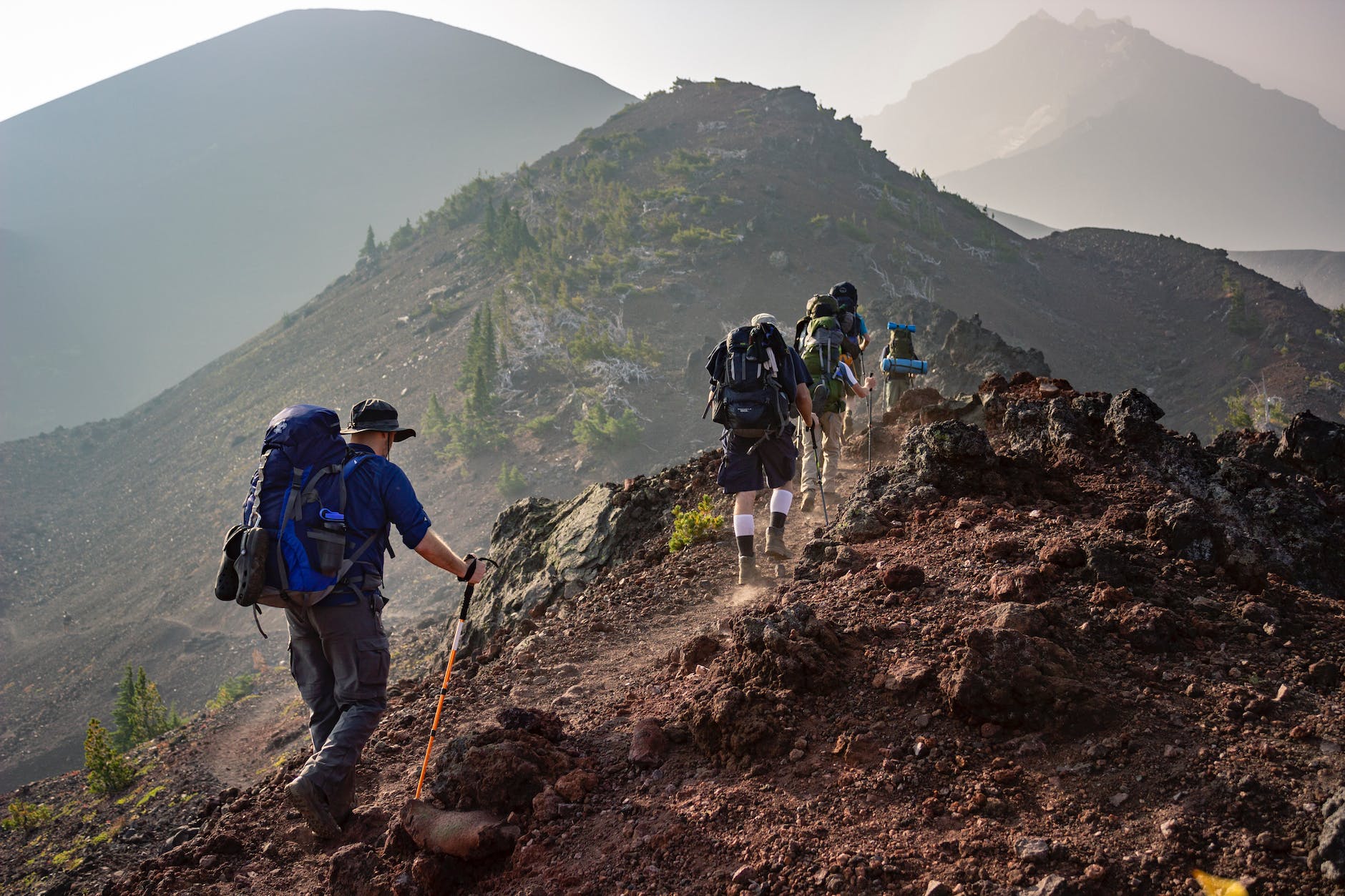
Once you’ve gained confidence with day hikes, it’s time to elevate your outdoor experience by embarking on overnight trips. These excursions involve carrying a backpack with camping gear and supplies and spending one or more nights in the mountains.
Begin by researching beginner-friendly backpacking trails and campsites. Familiarize yourself with the principles of lightweight backpacking, emphasizing essential gear without compromising safety. Invest in a reliable backpack, a lightweight tent, a warm sleeping bag, and a camping stove.
During overnight trips, you’ll experience the breathtaking beauty of sunsets and sunrises, observe wildlife in quieter moments, and develop self-sufficiency in the wilderness. Pay attention to campsite selection, considering factors like proximity to water sources and minimizing environmental impact.
Step 5: Acquire Technical Skills
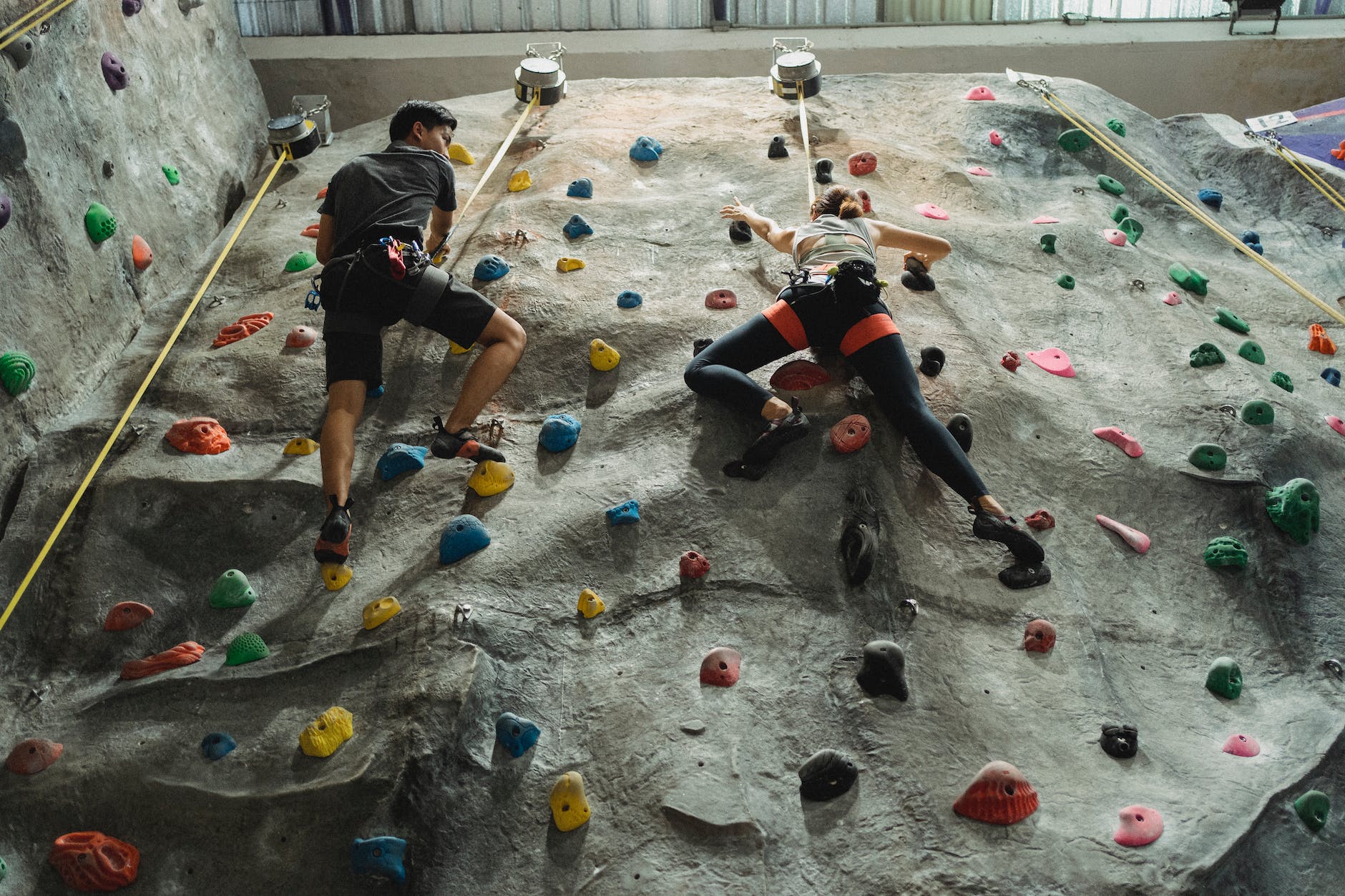
As you gain more experience and confidence, you can progress to acquiring the technical skills necessary for mountaineering. These skills include rope techniques, basic glacier travel, snow climbing, and rock climbing. To ensure safety and proper technique, consider enrolling in courses provided by certified guides or experienced climbers.
Rope techniques are essential for glacier travel and steep terrain. Learn how to tie knots, use harnesses, and perform basic roped maneuvers. Glacier travel introduces the concept of crevasse rescue and navigation on snow-covered terrain. Additionally, snow climbing techniques teach you how to use crampons and ice axes effectively. As you advance, rock climbing skills will broaden your range of mountaineering possibilities.
Remember, safety should always be your priority. Respect the mountain environment, stay updated on weather conditions, and avoid unnecessary risks. Build your experience gradually, setting realistic goals and seeking guidance from experienced climbers when necessary.
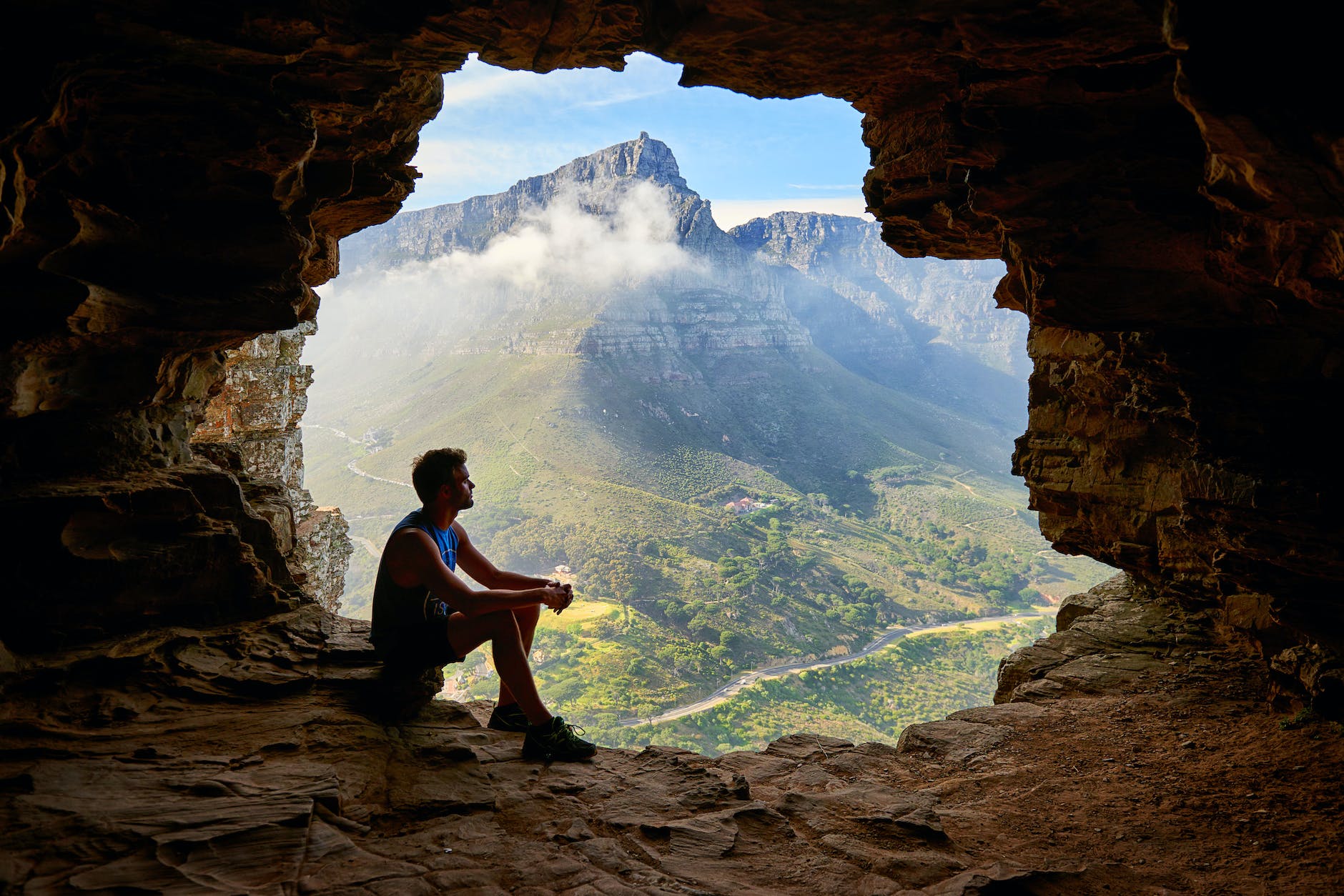
If you’ve checked off all of the above, congratulations! You’ve completed the five essential steps to begin your hiking and mountaineering journey. By mastering basic outdoor skills, focusing on physical conditioning, getting out on day hikes and progressing to overnight trips, and acquiring technical skills, you are well on your way to becoming a confident mountaineer.
Always prioritize safety, respect nature, and continue learning from experienced individuals in the field. The world of hiking and mountaineering is filled with endless adventures and breathtaking vistas. So lace up your boots, pack your gear, and embark on unforgettable journeys that will test your limits and connect you with the magnificence of the mountains. Lucky trails!


 The Alpine Trailhead
Leave a comment